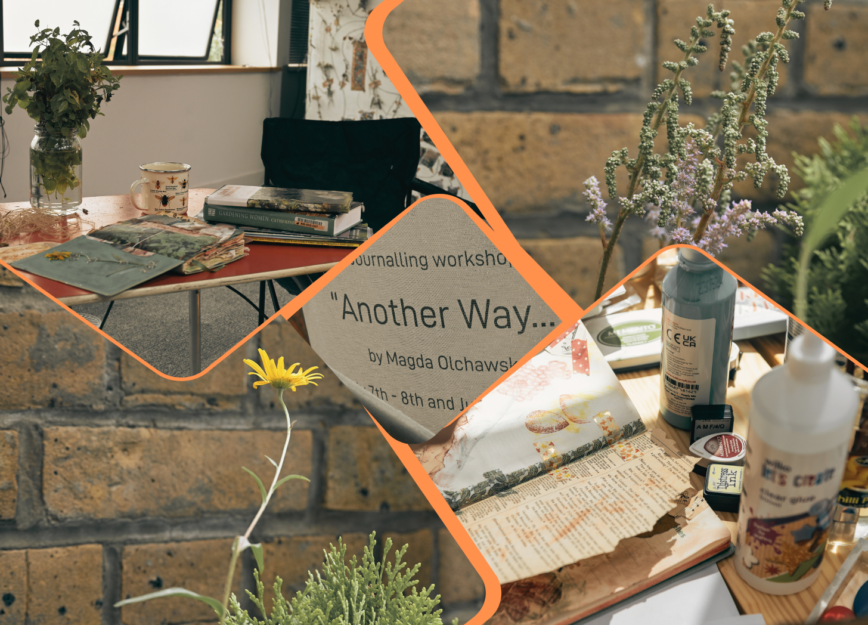
For years, I’ve tried to overcome perfectionism to reconnect with my creative self.
CONTEXT
The process to overcome perfectionism required kindness and learning how to appreciate all that I’ve managed to achieve and accomplish despite the struggles and difficulties I experienced related to my undiagnosed dyslexia and dyspraxia.
People with learning differences often face many obstacles that neurotypical individuals don’t experience, which makes completing tasks and learning that much harder.
However, over the years of living with neurodiversity and learning about it, I’ve seen up close how minor adjustments can change someone’s perception of themselves, their learning process, work outcomes, and even their life trajectory.
For many years in my creative art practice, I used obstacles to delay completing my projects because I was afraid the project wouldn’t be “perfect” enough (whatever that meant).
In my head I sorted out real and imaginary obstacles into two main categories:
- large ones, such as striving for undefined perfection,
- smaller ones, like unwillingness to start writing because I couldn’t find the right notebook, or I got distracted by another idea, an article or a video.
WHAT DID I DO?
After slowing down and introducing slow creativity into my daily life and creative art practice I discovered that beneath perfectionism, the fear of rejection was lurking.
In my mind, rejecting my projects meant rejecting me as a person.
I know rejection like the back of my hand as it has travelled on the same path as me since my early childhood.
I was an undiagnosed neurodiverse child with no formal support for my needs. Luckily, my creativity helped me overcome some of my learning challenges during my formal education in ways that aligned with my learning style.
Unfortunately, more often than not, my creativity-based learning adjustments were rejected by the traditional educational system and the adults who guarded that system. Understandably, I was left questioning my own abilities to learn, solve problems and overcome obstacles despite trying my best to meet others’ expectations.
The foundation on which I could have built my self-confidence and self-esteem was never established. Instead, knowing nothing else besides perfection, I spend the majority of my life looking for it.
The recovery and healing required to rebuild trust in my own abilities took time and needed radical kindness and slow creativity driven by slow, intentional productivity without the constant need to stay busy.
My “recovery process”, relied on my inner stillness and working with a mentor as they helped me learn to see my work holistically.
WHAT CAN YOU DO?
If working with a mentor isn’t possible for you, I find working with questions & wanderings below, helpful in unlearning and overcoming destructive habits such as perfectionism:
- Take time to observe and listen to YOUR creative self to understand what stops you from creating, making progress, and taking chances. I use meditation or mindful walking to slow down and re-focus my creativity and creative energy.
- Take time to understand what hides behind YOUR version of perfectionism. In my creative art practice, I’ve noticed that perfectionism still helps me hid my insecurities.
- What are the practical actions YOU could take to overcome perfectionism? Many years ago, I started publishing blogs and articles every week, which helped me develop a writing muscle and improve my writing skills. Since the beginning of 2025 I started publishing weekly videos on YouTube, which helped me overcome my need for visual perfection and learn to tell stories another way. Each of those imperfect initial steps have led me to such great creative joy and I can’t imagine my creative art practice without having those outlets of creative expression.
- What playful ways could help you connect with YOUR inner creative self? How could you use playfulness to overcome perfectionism?
- Give yourself a grace period when YOU feel that perfectionism has overtaken your project or creative art practice. When that happens to me, I step away from whatever I’m doing and focus on other activities that can take my mind away from the slippery slope of perfectionism and the fear of making something “imperfect”.
You might also be interested in:
Leave a Reply