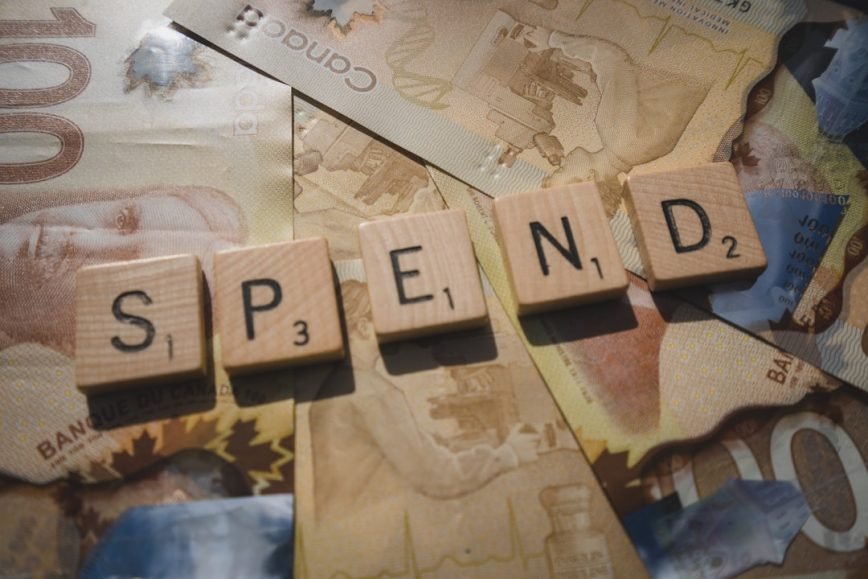
For years, I didn’t really know where my money was going. Each month, I was surprised to find I had nothing left in my bank account by the end of the month. I worked just to spend, which made me feel helpless. To control my spending, I decided to run a monthly budget, which revealed that I was over budget in some categories and under in others. But the most annoying thing was that I still didn’t really know where my money was going. Over time, maintaining a monthly budget became too stressful and impractical for me.
Currently, I don’t keep a budget, but I keep track of exactly what I’m spending my money on. Tracking spending this way feels much more organic to me and doesn’t make me anxious about every penny I spend. Besides, this way I can see what I realistically spend over a given period, be it a month or a year.
Maybe I spend money on something I don’t need, which can be adjusted easily, and monthly tracking can help me make adjustments when needed. Knowing where your money is going allows you to plan better and teaches you how to be wise in your spending.
Before I started this exercise, I was unaware that being able to track and trace your money to eliminate silly and unnecessary expenses is very important on the road to financial independence. As you might already know from my previous blogs, cutting expenses doesn’t mean depriving yourself of life’s little pleasures. I’m talking about the mindset shift that will help you see how unnecessary consumerism harms you and your life. And not only you, but also the whole planet.
Having a daily takeaway coffee or paying £5 (Zone 4, London) for a boiled egg and toast might be fun, but is it necessary? How many more years of work will you add to your working life just to pay for daily takeaway coffees and boiled eggs? You must ask yourself what is worth spending money on and what will only add pressure and stress to your life in the long run. What if your daily takeaway coffees and eggs on toast could be your ticket to earlier financial independence? It’s a rhetorical question; it is. What would you do with your life if you could be financially independent in ten years? Can you imagine the possibilities?
If you think only about money in terms of spending and consumerism, it will take some time to readjust your thinking and spending habits. Knowing how much you spend daily, weekly, monthly, and yearly will help you decide what you want to spend your money on and how to spend it most effectively. If you spend mindlessly, you are becoming a part of the problem that has got us to the place we are now: a growing financial mess (massive debts), high anxiety and stress (often over unpaid mounting debts or fear of losing a job, lack of savings and investments), and pollution (how much more crap we need to buy!) that requires much bolder actions from everyone, than just recycling plastic bottles.
Knowing where your money goes gives you the power over your spending, and those expenditures don’t have to hold you hostage any longer. If you don’t know where your money goes, you can experience a feeling of hopelessness, lack of control over your life, your diet, and a lack of decisiveness.
Compulsive spending (and overspending) is a form of addiction. The more we spend, especially on items (I’m not talking about experiences, which I believe are worth investing in), the more we feed the current consumption-based economy, which pollutes our wonderful planet. Fast fashion, fast food, and anything fast and easily disposable aren’t our friends but mortal enemies.
Of course, I’m not suggesting that you should think about money all the time; it’s unhealthy. But having a stash of savings, investments, or so-called ‘f… you money gives you security, and that security has a ripple effect on your health, general well-being, as well as gives you wings to try something new.
I recommend you track your spending in any way you can. Do it for at least two months, and you will see how your perspective and attitude towards spending change.
PS. I’m #MadeByDyslexia – expect big thinking & small typos.
Leave a Reply