My first reason for starting an urban garden in a small London apartment was my desire to keep progressing on my eco-minimalist, sustainable lifestyle path.
The second reason was the new documentary I have been developing since October 2021, which required me to set up a garden.
I spent a lot of time on the project’s research and development phase. And true to my nature, I overresearched by reading way too many articles and watching way too many videos without taking any concrete action. During my research, I made elaborate plans and lists. Unfortunately, that still didn’t get me anywhere near a gardening centre.
I was scared to take the real steps towards building my garden. The fear of failure paralysed me. To stop my delay, I needed an experienced gardener by my side to kick my overanalysing butt into gear and take me to the gardening centre to get the supplies I needed.
My first serious commitment to the future garden was to order a 2,5 kg bag of soil online. Since I’m from a generation of spoiled Amazon customers, waiting a week for the soil to arrive felt like an eternity. Fortunately, the soil was well worth waiting for. Even a rookie like me could feel how unique this soil was.
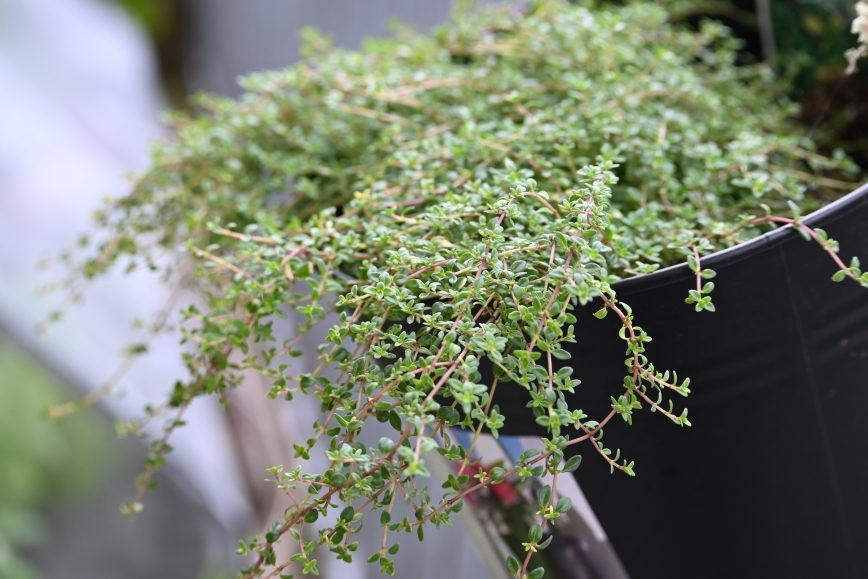
My mum was visiting at the time and explained the way only a parent could explain things to kids who don’t seem to grasp the reality, duh…, that if I wanted to grow my garden indoors, I needed plants that didn’t need bees for pollination. It didn’t occur to me before that I might need bees. This is how much I knew about gardening. We ended up buying some herbs (the only ones that were available in the middle of February) and a few packs of seeds.
Beforehand, my mum had already put garlic, beetroot, and parsley in jars of water, allowing them to grow roots, which I’m happy to report I replanted, and all of them, but one, are doing really well.
Once the plants began growing, I felt immensely proud of my small urban garden. Every morning, I check on them, and the joy of seeing my plants grow is indescribable. Growing even a little food that my family can eat is pretty empowering.
Of course, I won’t be able to substitute my family’s veggie needs with my tiny garden alone. But if I can stop buying some of the foods, such as spring onions, and grow mint, fennel, and camomile for tea, that will reduce some of the items I purchase and all the packaging they come in.
Since I began developing this project, my understanding of the importance of food-growing abilities and knowledge has shifted profoundly. Especially now, as the Garden of Europe burns in pain, food insecurity will only deepen.
Ireland has already started planning for that scenario, and the government “might ask farmers to plant crops this year (2022) regardless of their agricultural sector” (1).
That same policy was implemented during WWII, or, as the Irish call it, “The Emergency”. The environmental crisis is also fuelling our individual need to learn how to grow food. As we have seen over the past couple of years, life has become increasingly unpredictable across the planet. From where I’m standing, being as self-sufficient as possible is the best security we can have in the current world, gone more than slightly crazy.
Secondly, I feel it’s essential to show my kids we can grow our own food. I’m determined to teach them as many life skills as possible. My daughter is already pretty excited about carrots and warns everyone to be careful when they come near our garden. She got herself strawberries during our recent trip to the gardening centre and can’t wait to eat them all – she doesn’t like sharing 😉.
Growing up in 1980s communist Poland, food rations were a daily reality for me. The country didn’t have enough food to go around. Luckily, my granny’s allotment produced enough fruit and veggies to make preserves in the summer. Those preserves carried us over the long, dark winter months.
Even today, many families around the planet survive thanks to small plots of land that grow wonderful fruits and veggies. Plenty of women in developing countries earn a living by growing fruits and vegetables, enabling them to send their children to school and build some stability for themselves.
I feel local governments will soon need to step up and accommodate the growing demand for urban gardening. Teaching people of all ages to be more self-sufficient and grow local food is a beautiful way to foster community spirit, build community, and include people from all walks of life and ages as part of their small, local community.
My urban garden is changing every day. Not all of the seeds have sprouted, and I’m not sure how much time I ought to give them before replanting.
So far, I have eaten primarily herbs, garlic, and beetroot leaves that I have grown. Every time I use any herbs, I’m amazed at how quickly they grow back. If we all learn to use nature’s gifts responsibly, everything will grow back.
Unfortunately, having even a tiny garden like mine doesn’t come cheap. I think I have already spent about £100. I haven’t saved £100 on my food shopping since I started my garden. However, I have started eating more herbs and using them more often in my tea. And it’s a long-term investment, so the savings will definitely happen at some point.
When it comes to my documentary, I’m gathering footage weekly, so hopefully, soon, I’ll be able to show you a teaser for “Another Way of Looking at It.”
Have you grown your garden? What has been your experience? Do you have any tips for me? Let me know in the comments below.
References
- “History crops up again ahead of tillage farming request” / 07.March.2022 / RTE News
Leave a Reply